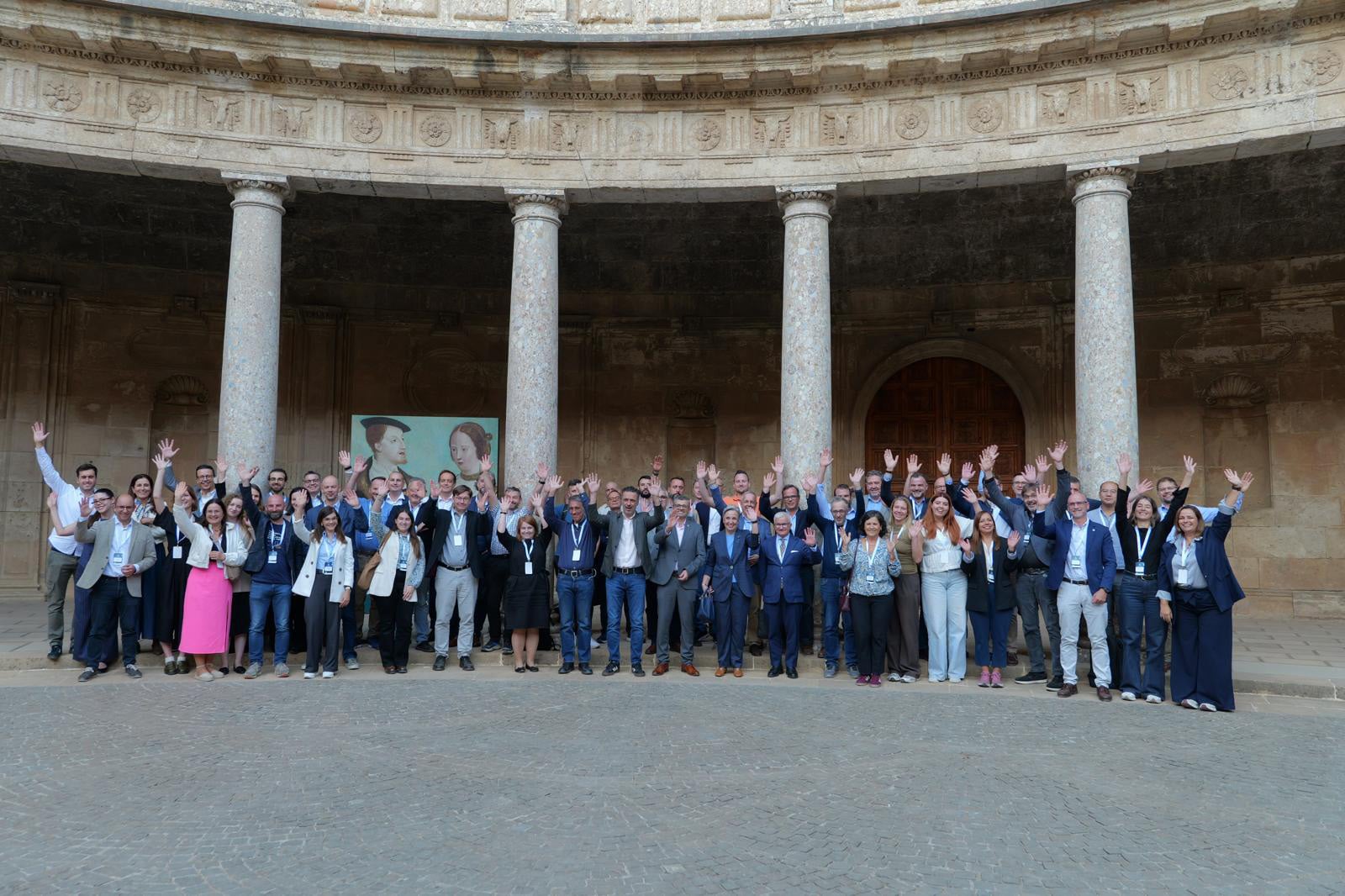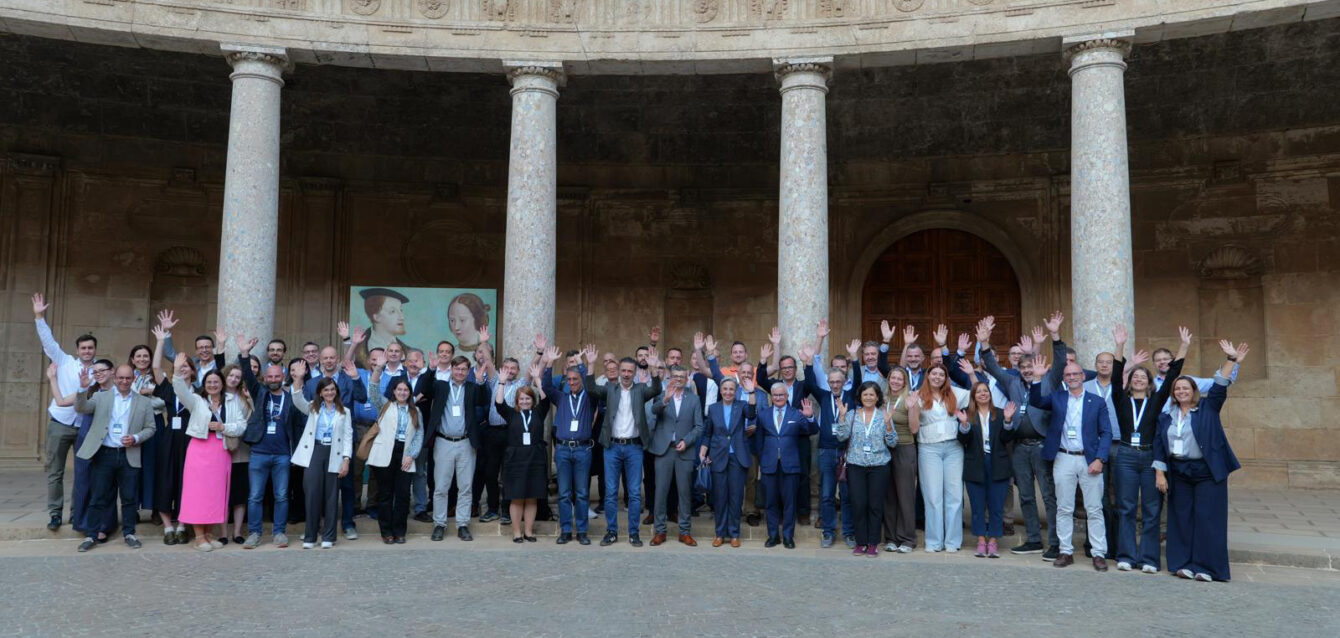
EUNOMIA.AI, the European project bringing trustworthy generative AI (GenAI) to public services, was officially launched on 26 and 27 October 2026 in Granada, Spain. Partners from 33 organisations in 14 countries met in person for the project’s first General Assembly, hosted by the project coordinator, the Digital Agency of Andalusia (ADA).
Over three years, the project aims to bring GenAI tools to 25 public administrations and into at least 15 public services. Co-funded under the EU’s Digital Europe Programme, it has a total budget of €13.99 million, half of it contributed by the European Union.
Two days in Granada
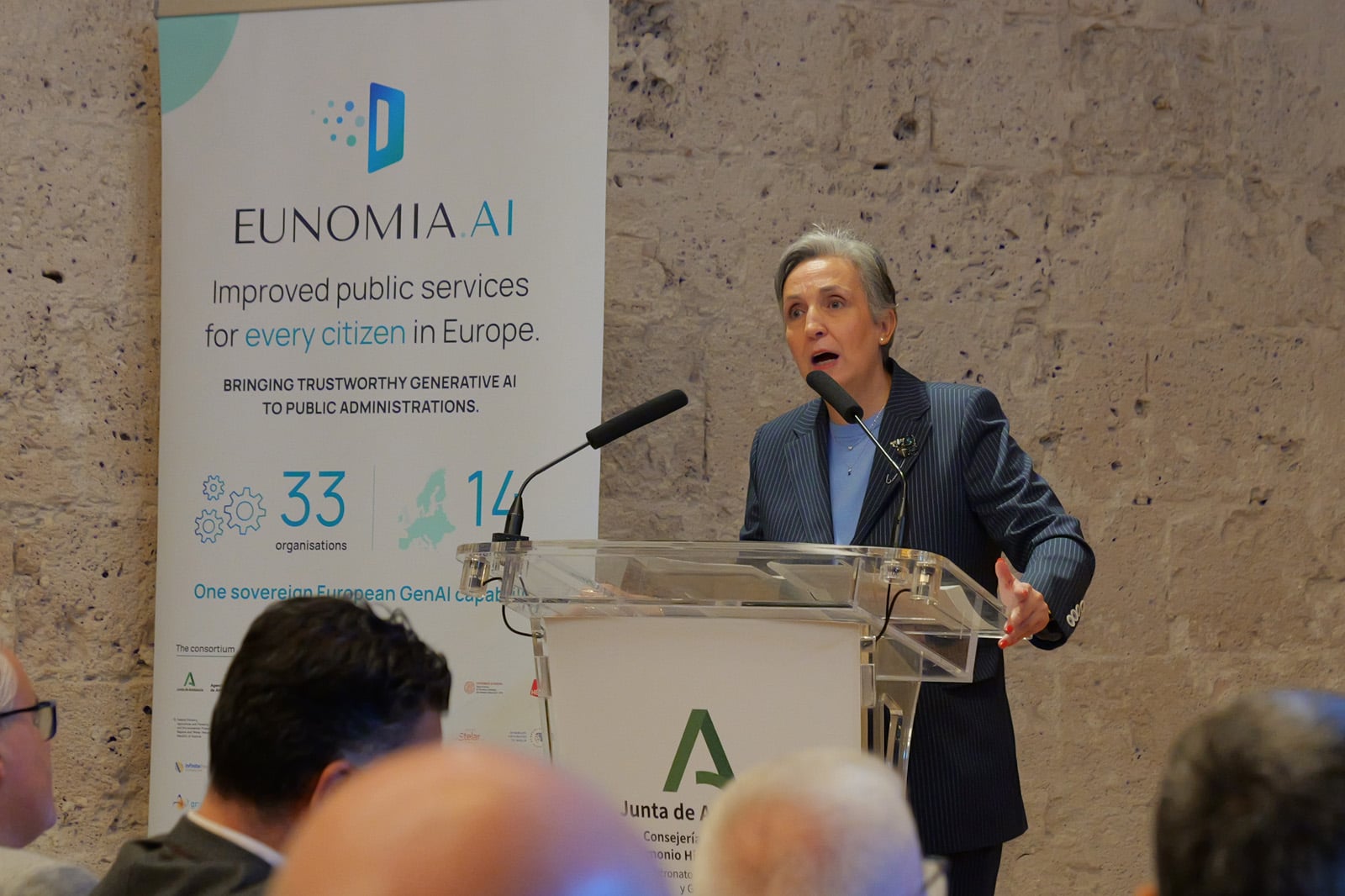
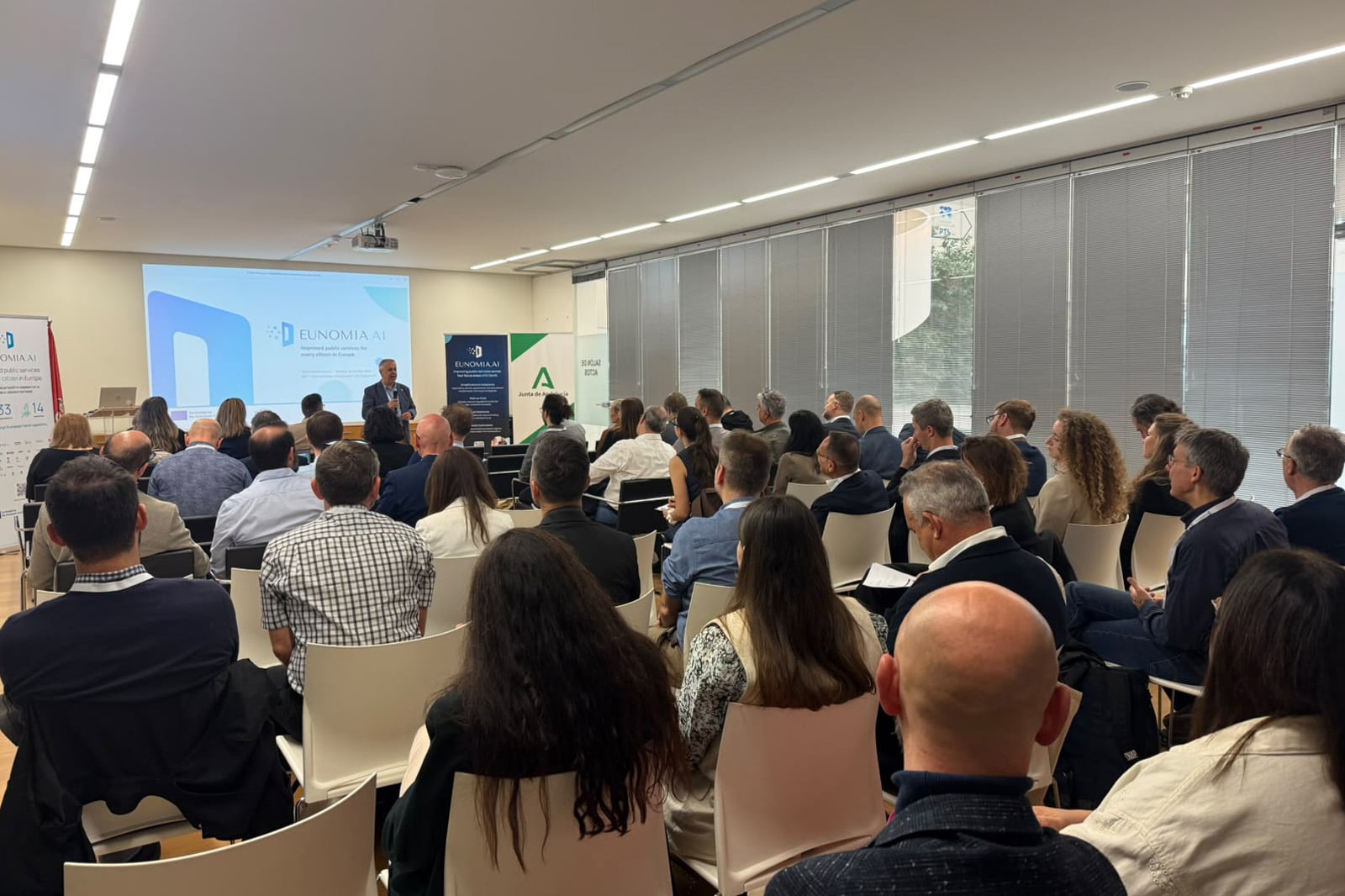
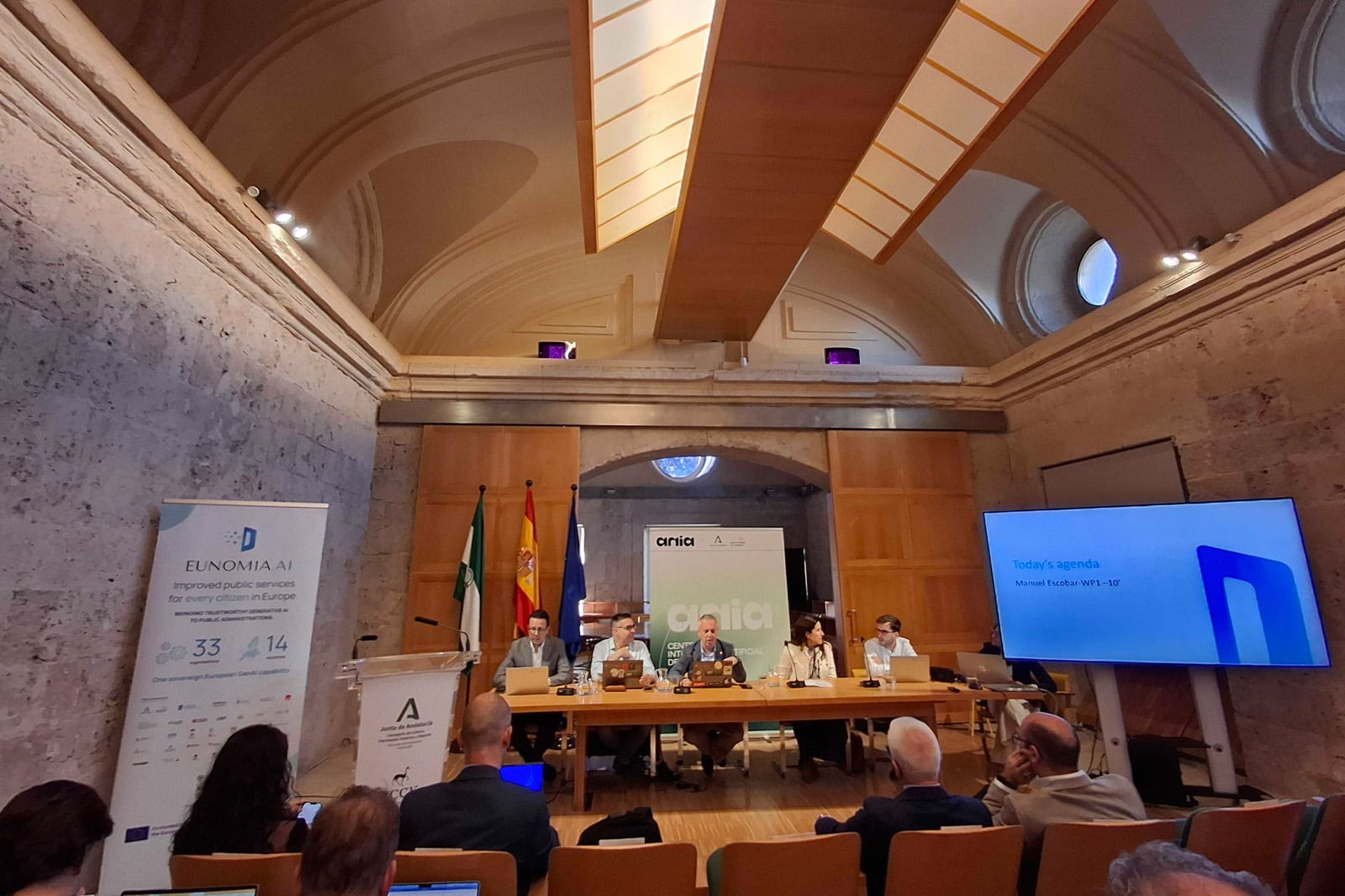
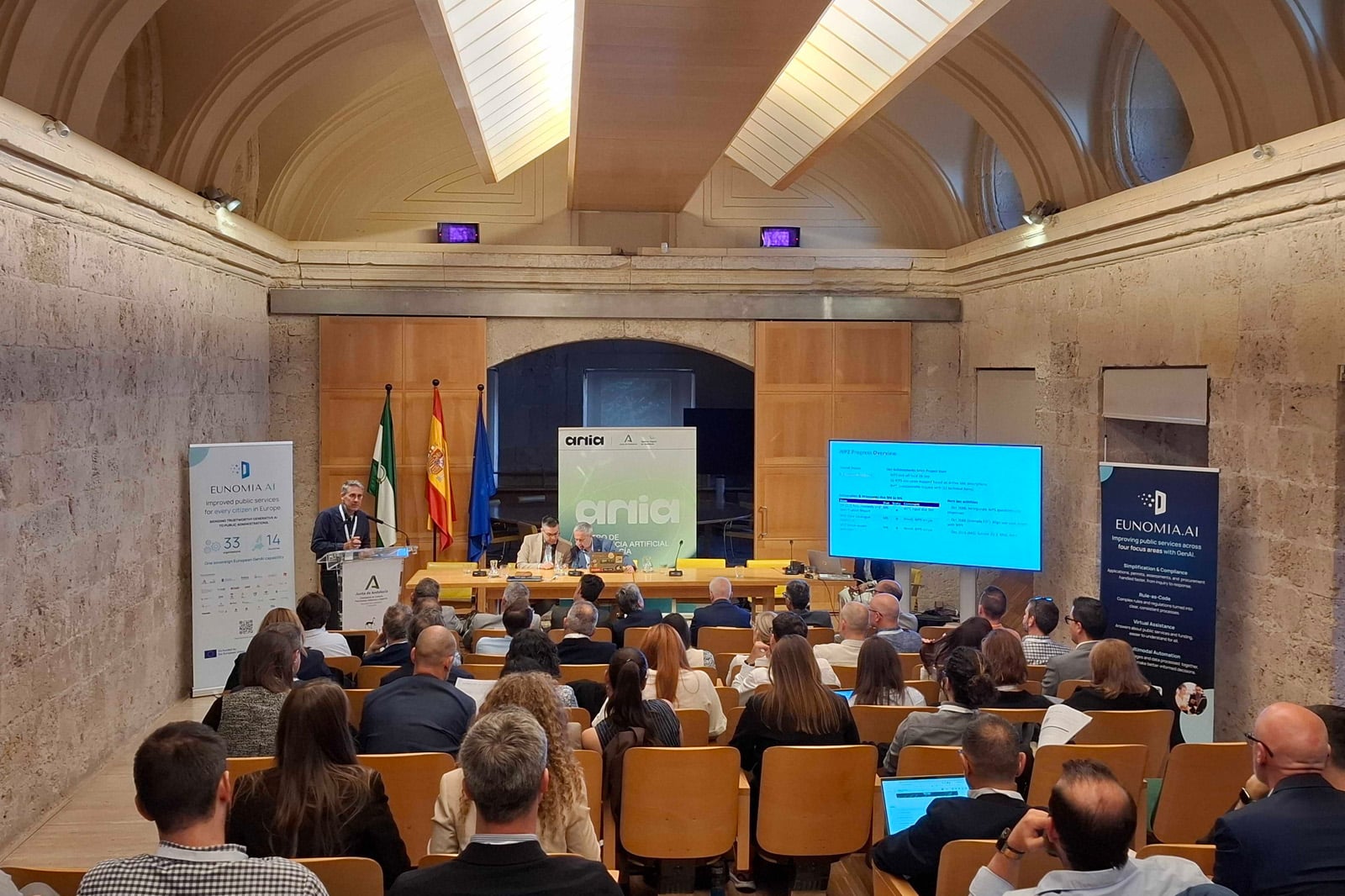
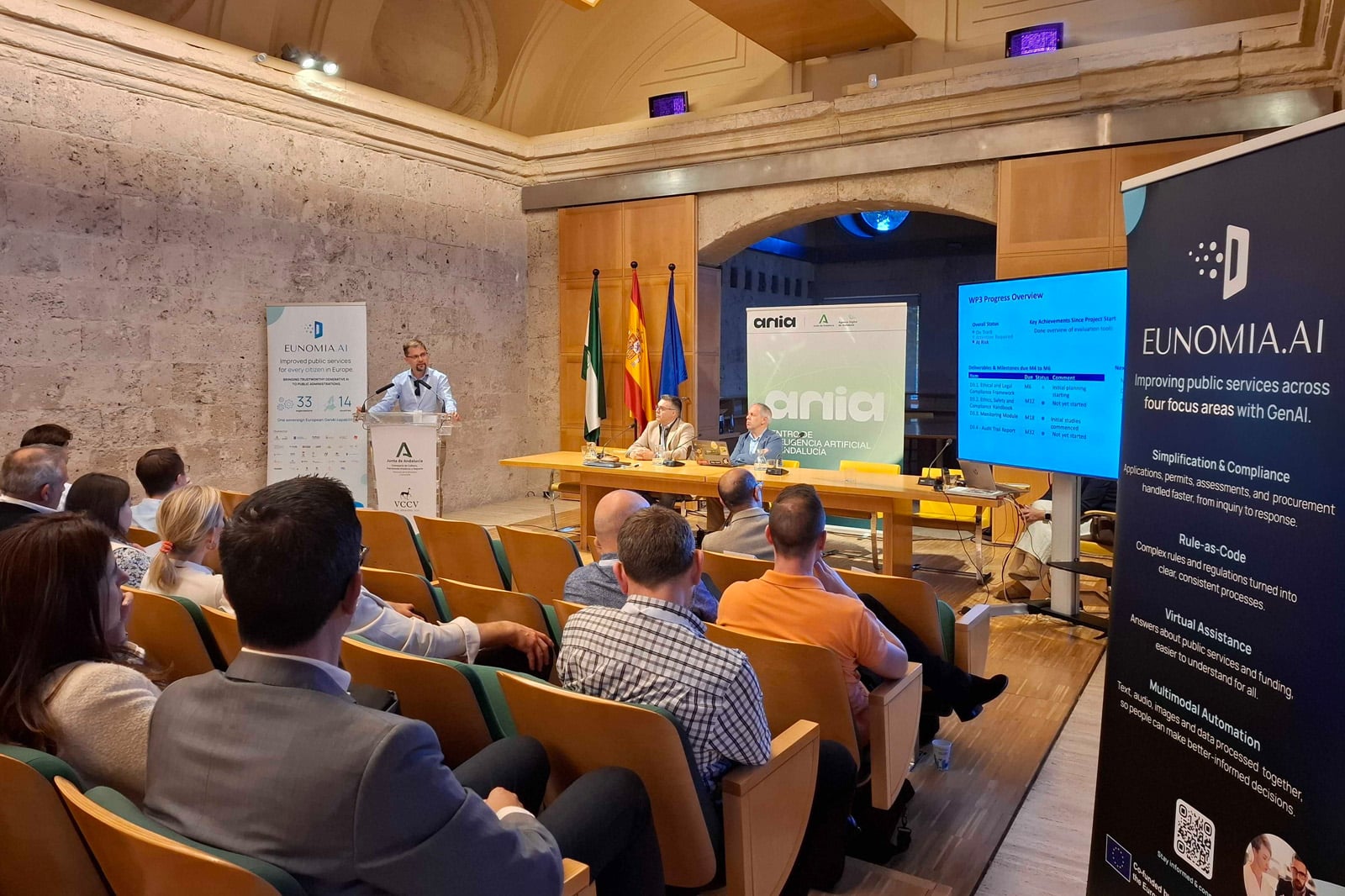
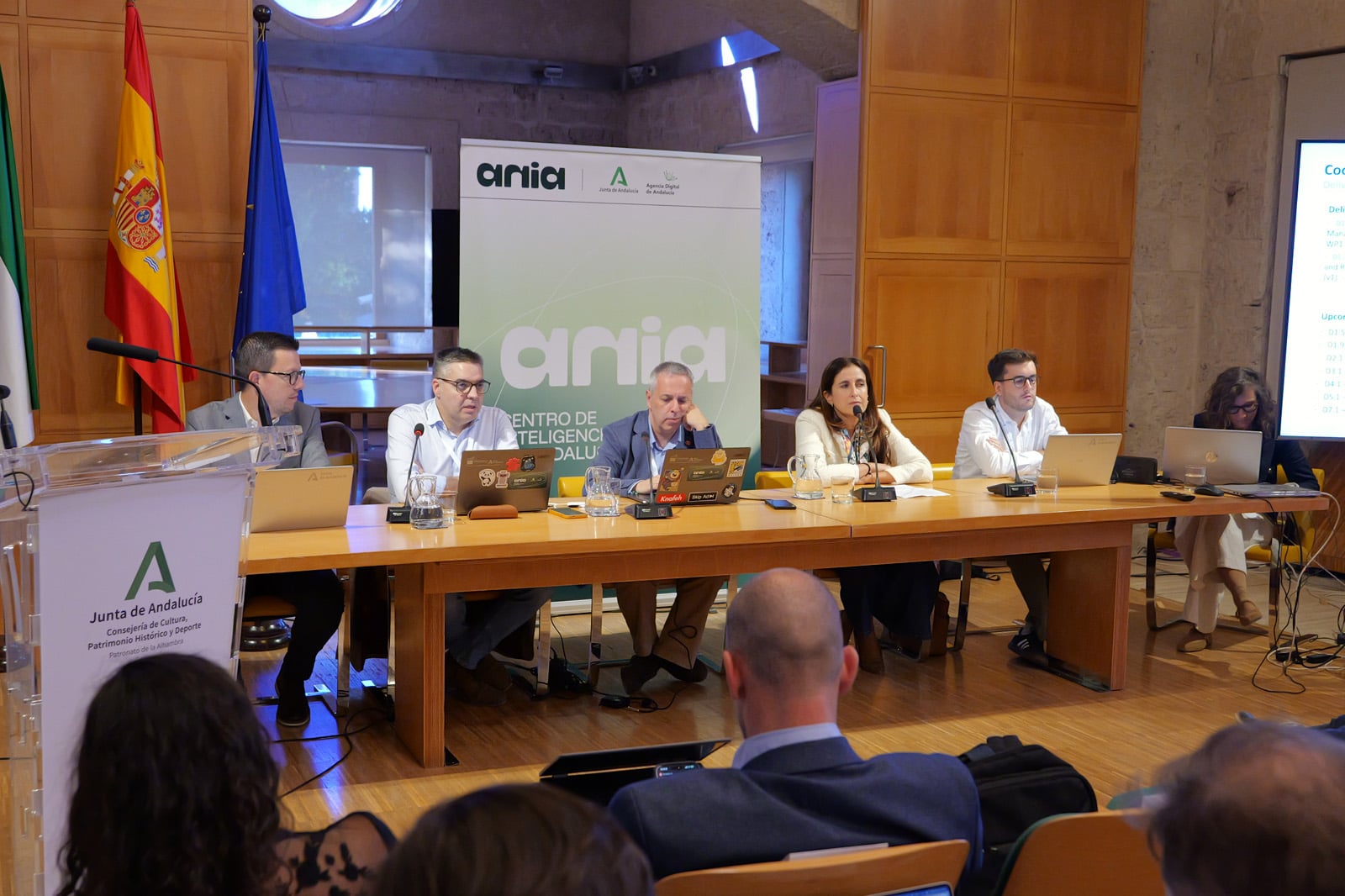
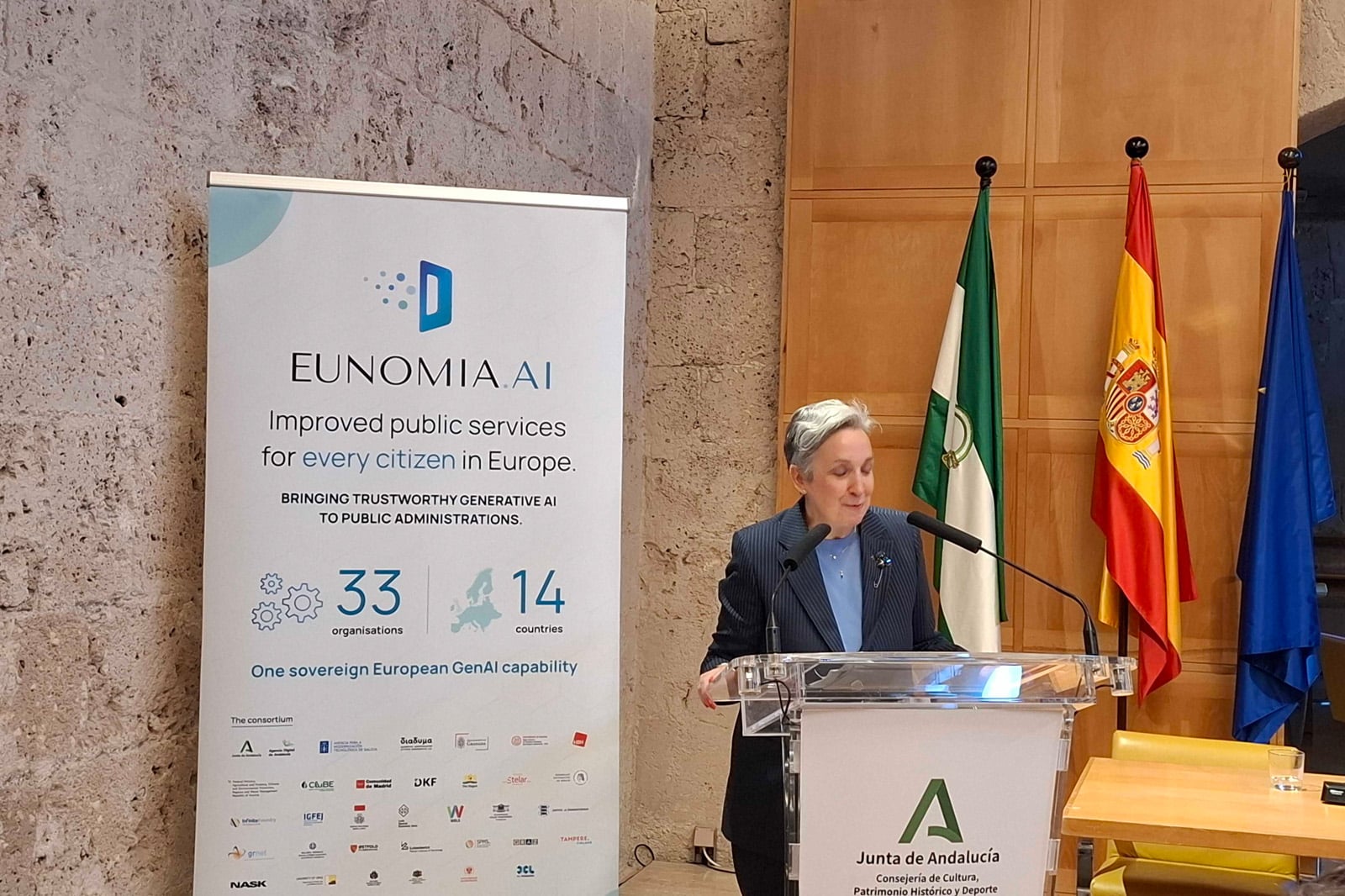
The programme opened at the Andalusian Centre for Artificial Intelligence (ANIA), where the project’s brand was presented and this website went live. Partners then moved to Alhambra for the General Assembly, which was addressed by Ana María Corredera Quintana, Deputy Regional Minister for Artificial Intelligence, Digital Development and Public Administration of the Government of Andalusia. Over the two days, partners reviewed the project roadmap, the use cases and the next steps.
On stage at the IV Congress of Artificial Intelligence of Andalusia
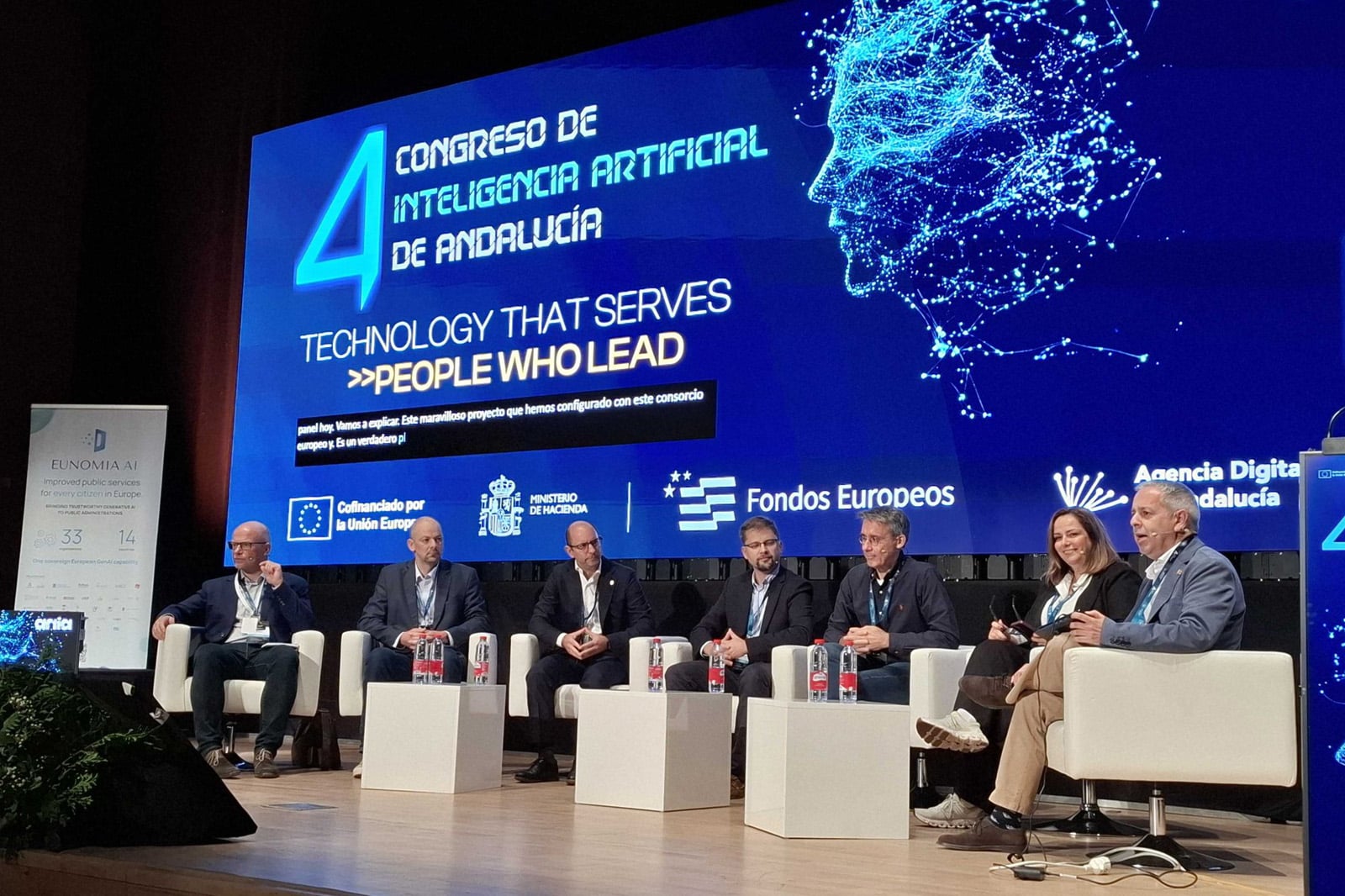
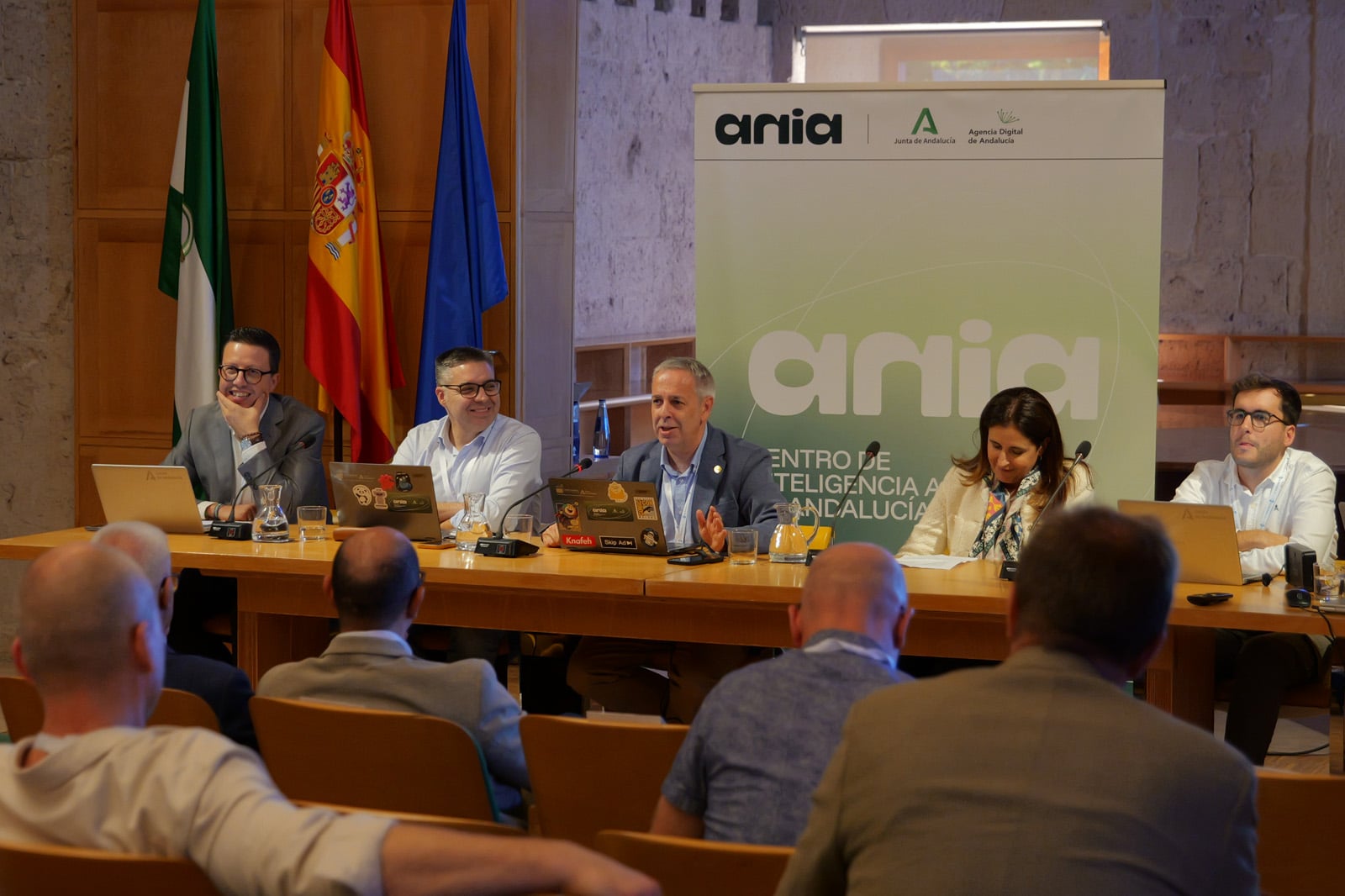
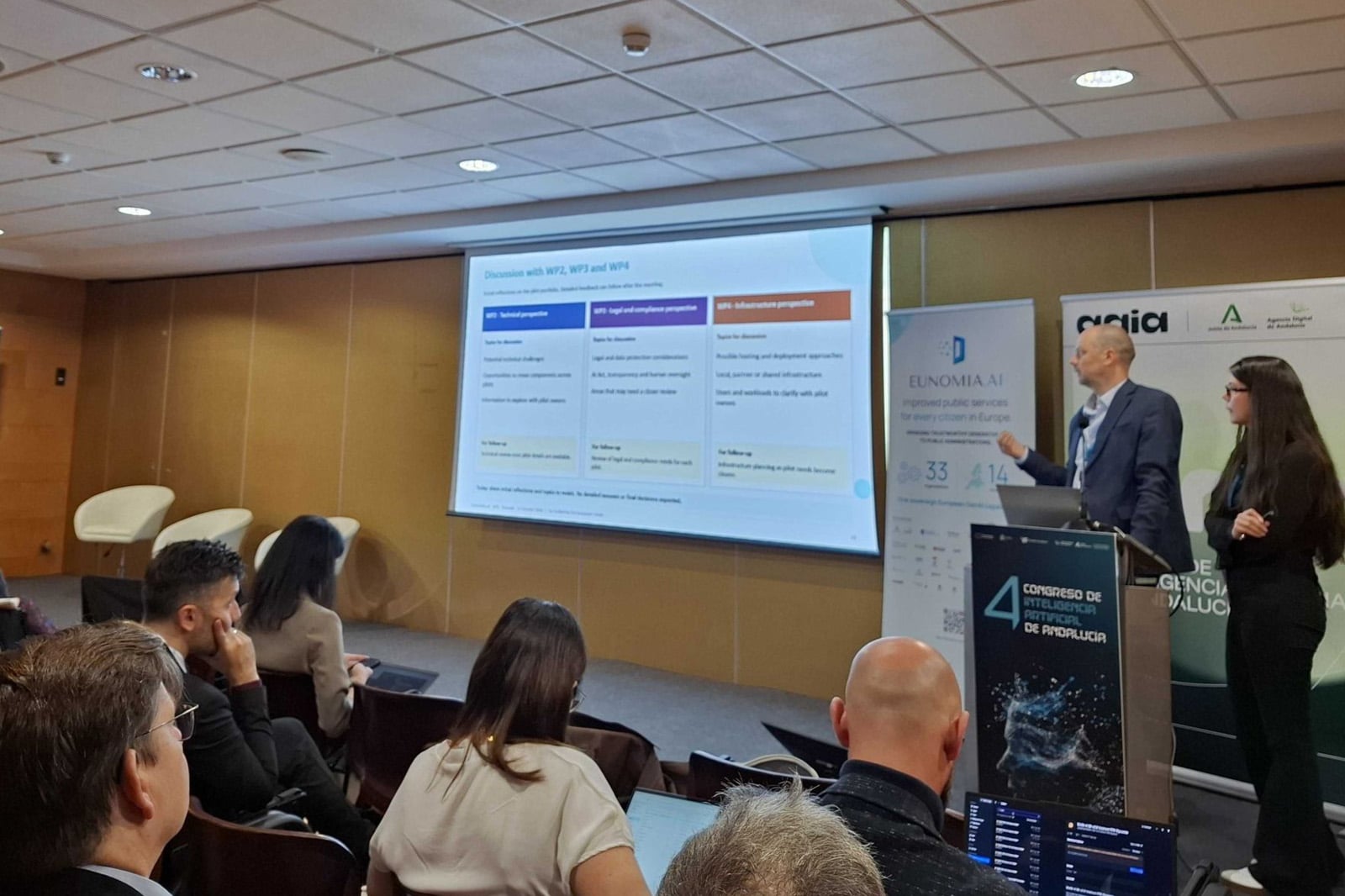
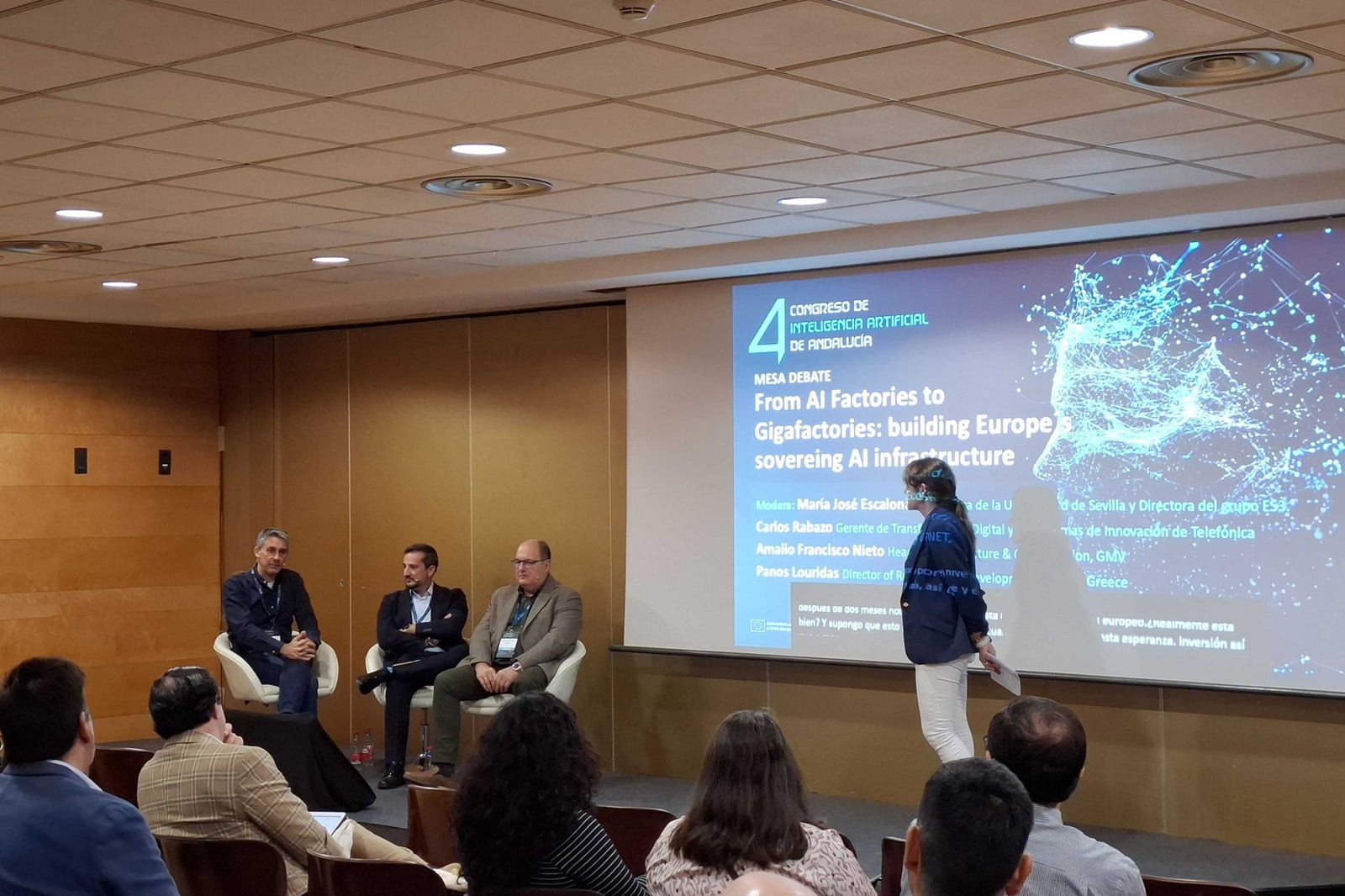
From 26 to 28 October, ADA is also hosting the IV Congress of Artificial Intelligence of Andalusia. On 27 October, the experts leading each area of EUNOMIA.AI took part in the round table “EUNOMIA.AI – Building European Public AI” in the Congress’s main hall.
Moderated by Manuel Escobar Montes, Deputy Director for Digital Services and Data Analytics at the Digital Agency of Andalusia, the round table brought together:
- Panos Louridas, Director of Research and Development, National Infrastructures for Research and Technology (GRNET), Greece
- Szymon Łukasik, Director of AI Safety, NASK National Research Institute, Poland
- Gabriel Maciá Fernández, Vice Rector for Digital Transformation, University of Granada, Spain
- Jānis Ziediņš, Deputy Director for Digital Development, Culture Information Systems Centre (KISC), Latvia
- Stefan Thalmann, Director of the Center for Data Science in Business and Society (BANDAS), University of Graz, Austria
- Artemis Psarianou, Head of the Marketing and Communications Department, GRNET, Greece
Four areas, first pilots in 2027
The pilots will focus on four areas: administrative processes, law as code, virtual assistance and multimodal automation. They will be selected and designed over the coming months, with the first expected to go live in 2027. The tools are built on open-source European technology and designed to comply with the AI Act and the GDPR.
“Public administrations across Europe hold deep expertise in delivering the public services citizens depend on. Generative AI offers a real opportunity to strengthen that work, freeing time for what matters most and giving citizens clearer, faster services. Yet this potential can only be realised if the technology earns public trust. EUNOMIA.AI is therefore built on open European technology, designed in accordance with the AI Act and the GDPR, and developed hand in hand with experts from public administrations. Our goal is clear: to improve public services for every citizen in Europe.”
Manuel Escobar Montes, Deputy Director for Digital Services and Data Analytics, Digital Agency of Andalusia
Granada marked the start of a shared European effort. Over the next three years, partners from 14 countries will work together to show that generative AI can improve public services in a way people can trust. For more information, read the full press release, which includes examples of what the pilots could look like in each area and the complete list of partners.